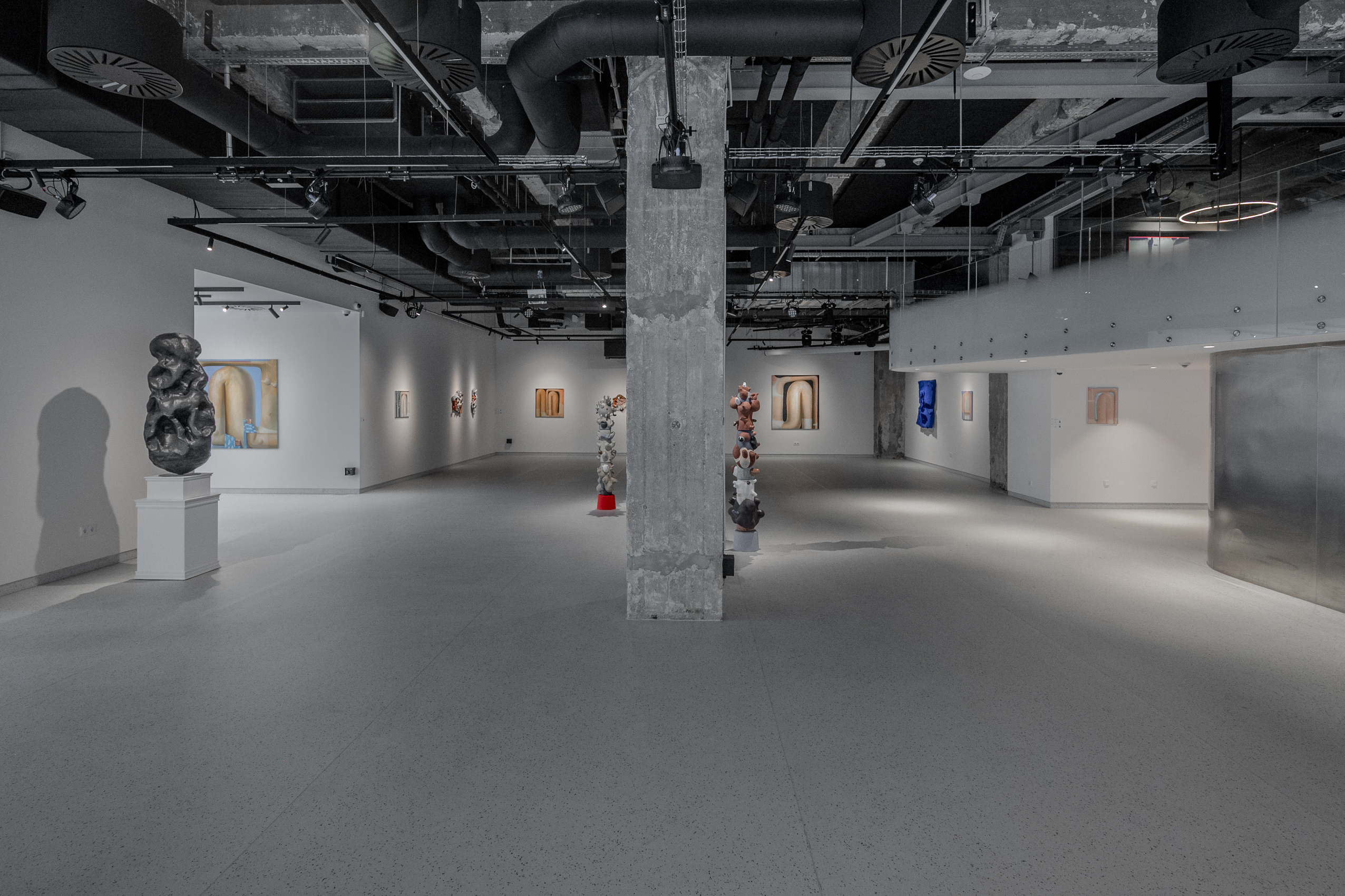
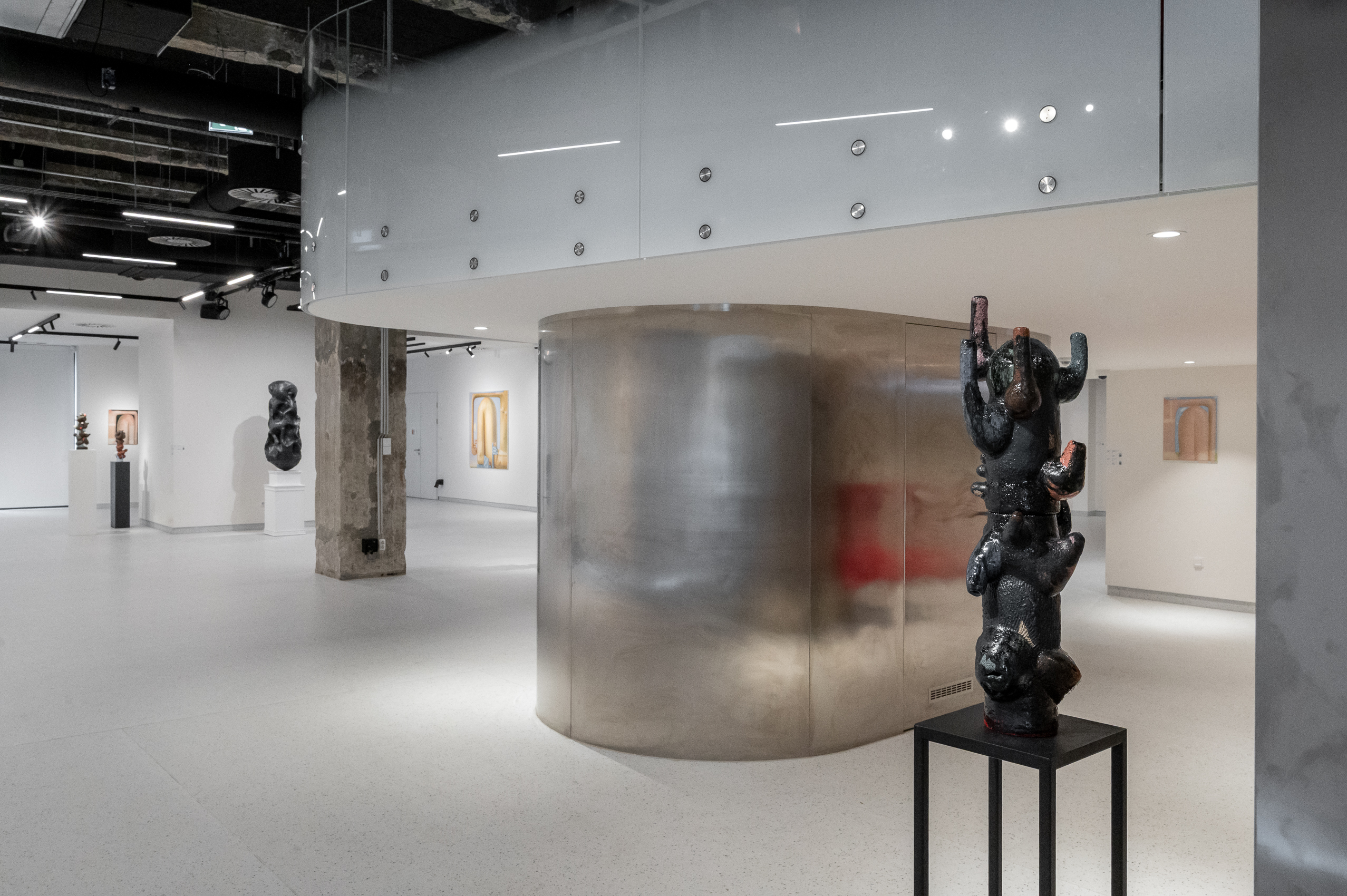
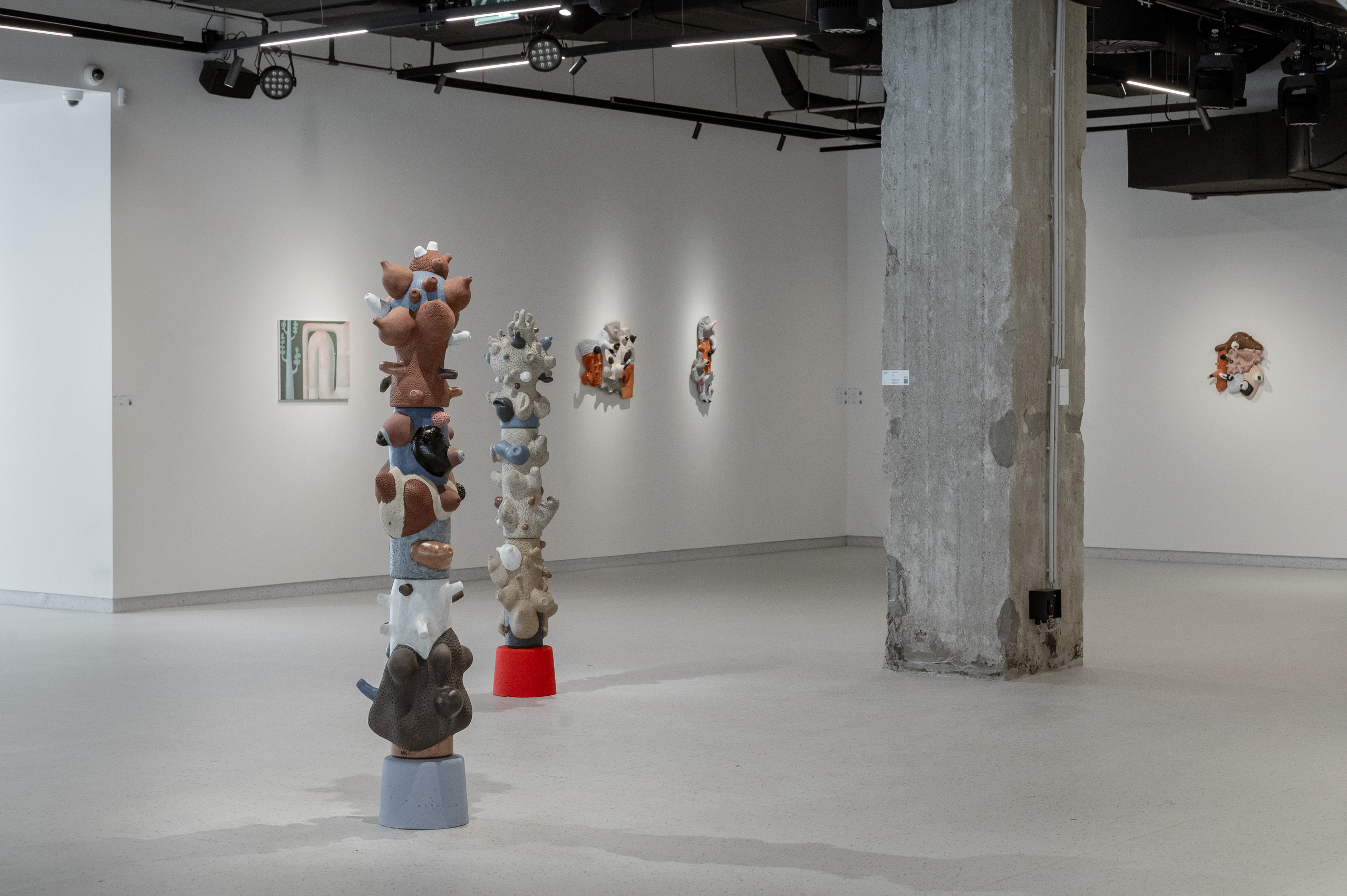
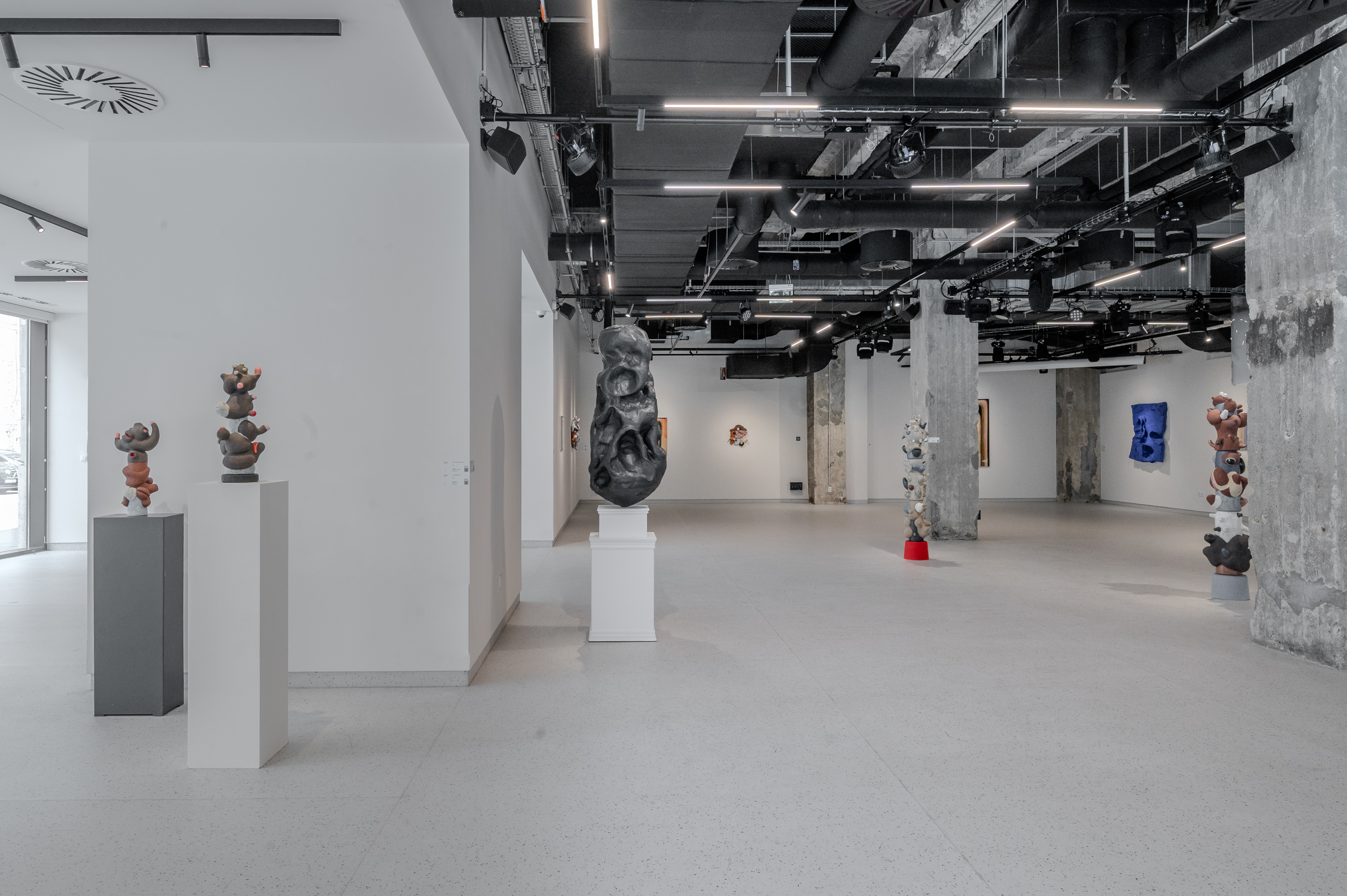
The exhibition price list is available by clicking on this link below.
Opening: 2026.06.03.
According to Georges Bataille, one of the fundamental paradoxes of human existence is that prohibitions – law, order and norms – do not merely restrict us; it is through their violation that we may experience freedom, the sacred and the intensity of being: transgression. Interdiction creates the boundaries that structure social and moral order, while transgression does not abolish these boundaries, but suspends them temporarily. The two concepts presuppose one another: neither can be understood without the other.
For human experience, time becomes truly perceptible through interruptions in continuity. In Erotism, Bataille describes the rhythm of interdiction and transgression as a basic form of human existence: the alternation between social order and instinctive dissolution, manifesting itself equally in sacred ritual, orgy, war and eroticism. Transgression is a brief rupture in time: a moment in which order breaks down, and what had previously been separated comes into contact once again. It suspends the boundary; the world temporarily dissolves into continuity with itself.
Within this system, the body is a permeable field rather than a closed unit or stable form a carrier of these intensities. Its inner rhythm is shaped by the alternation of restraint and release, force and disintegration. Julia Kristeva describes the abject as precisely this experience of the boundary: the point at which the subject defines its own limits, while the rejected matter – bodily fluid, wound, flesh – continues to draw it back. The abject is the unstable field between the two, where identity begins to falter.
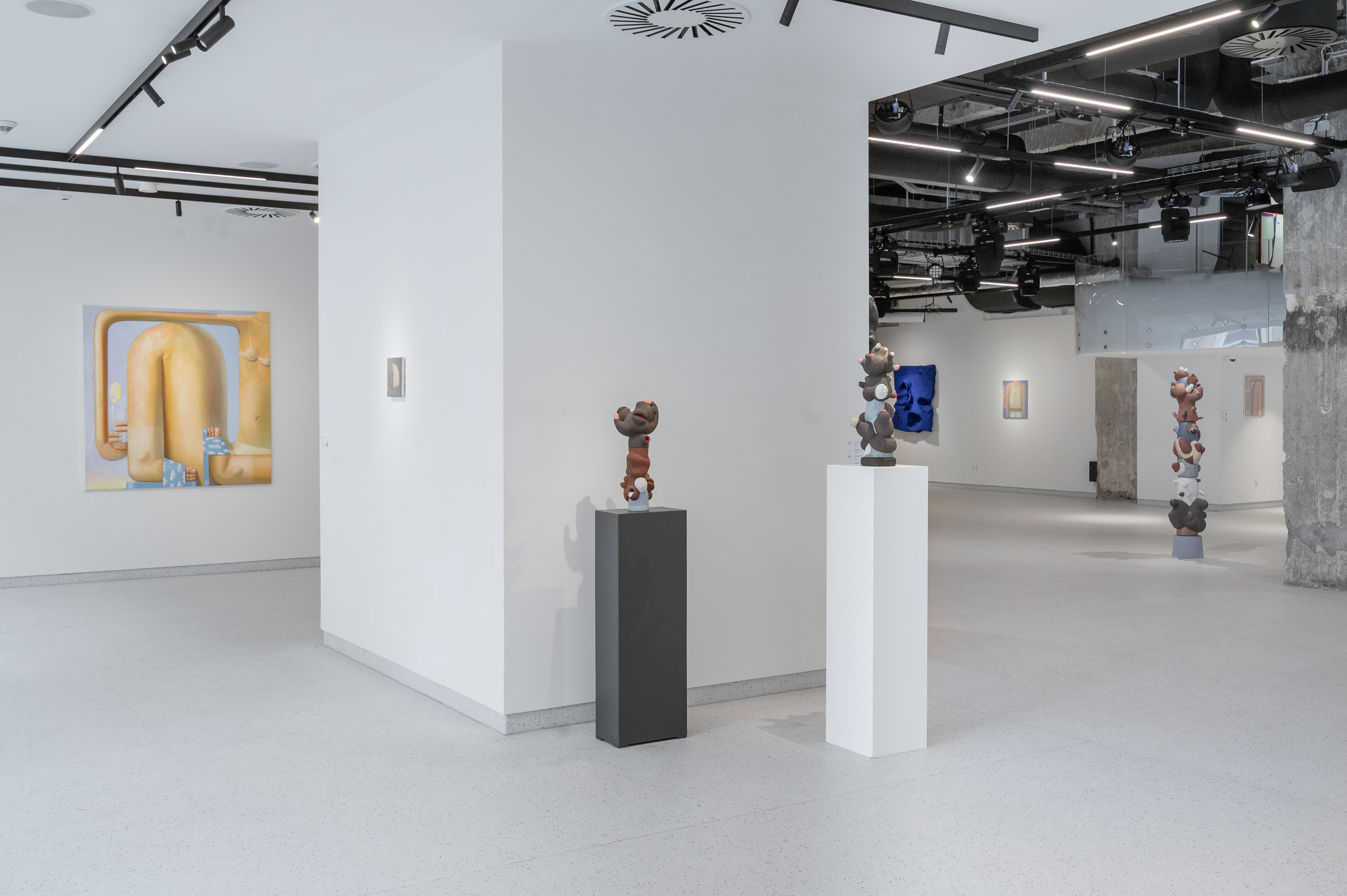
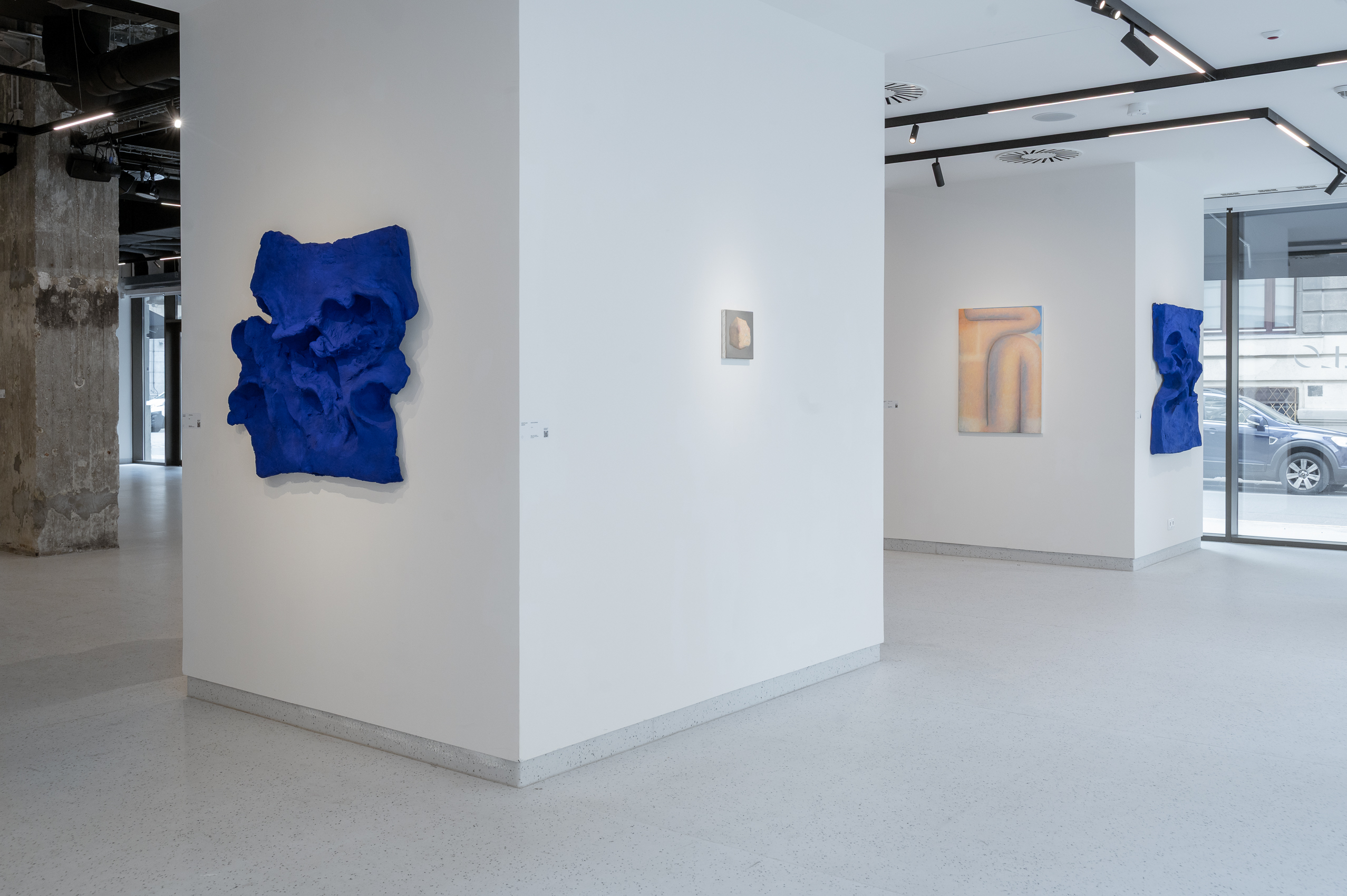
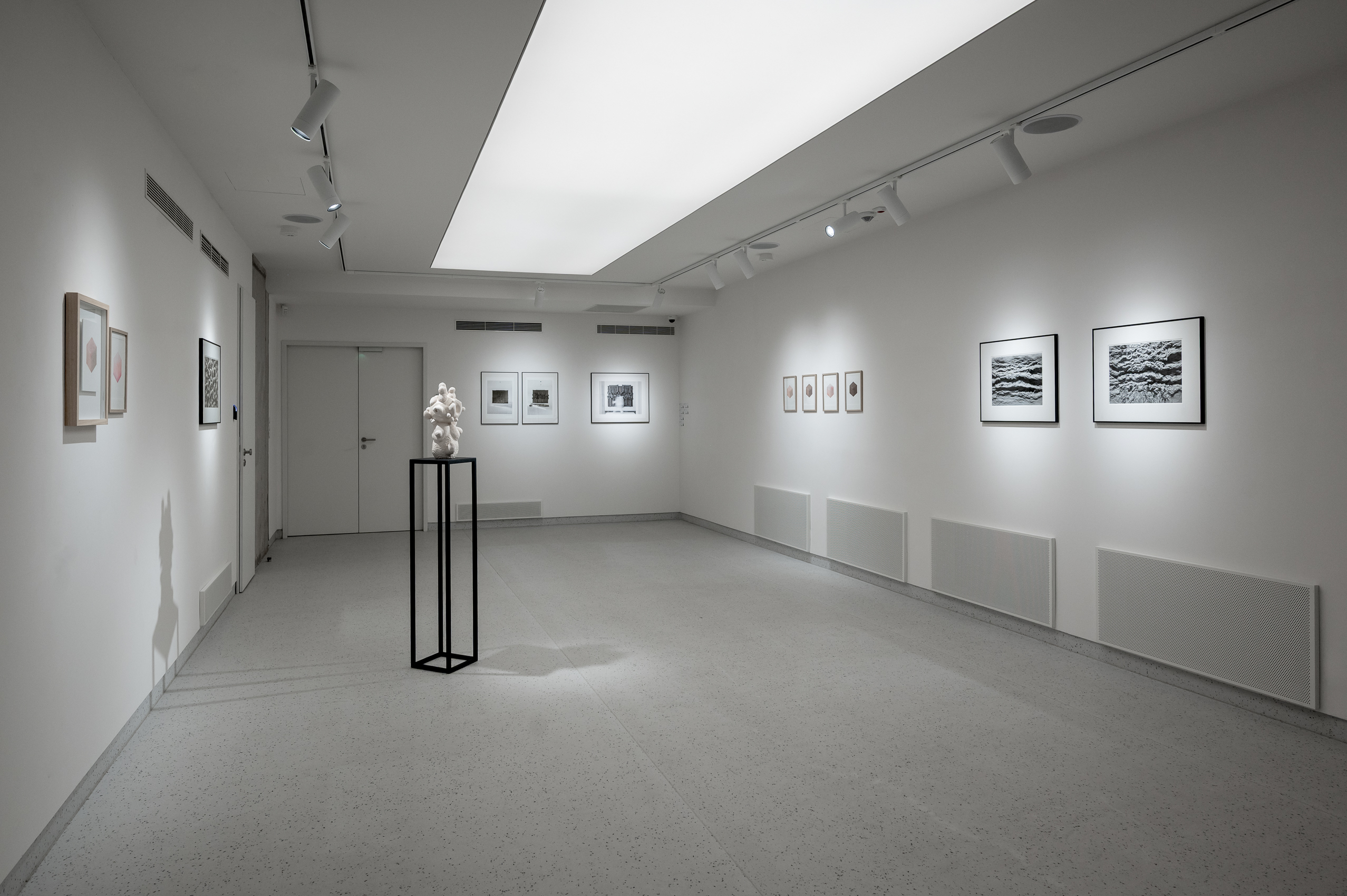
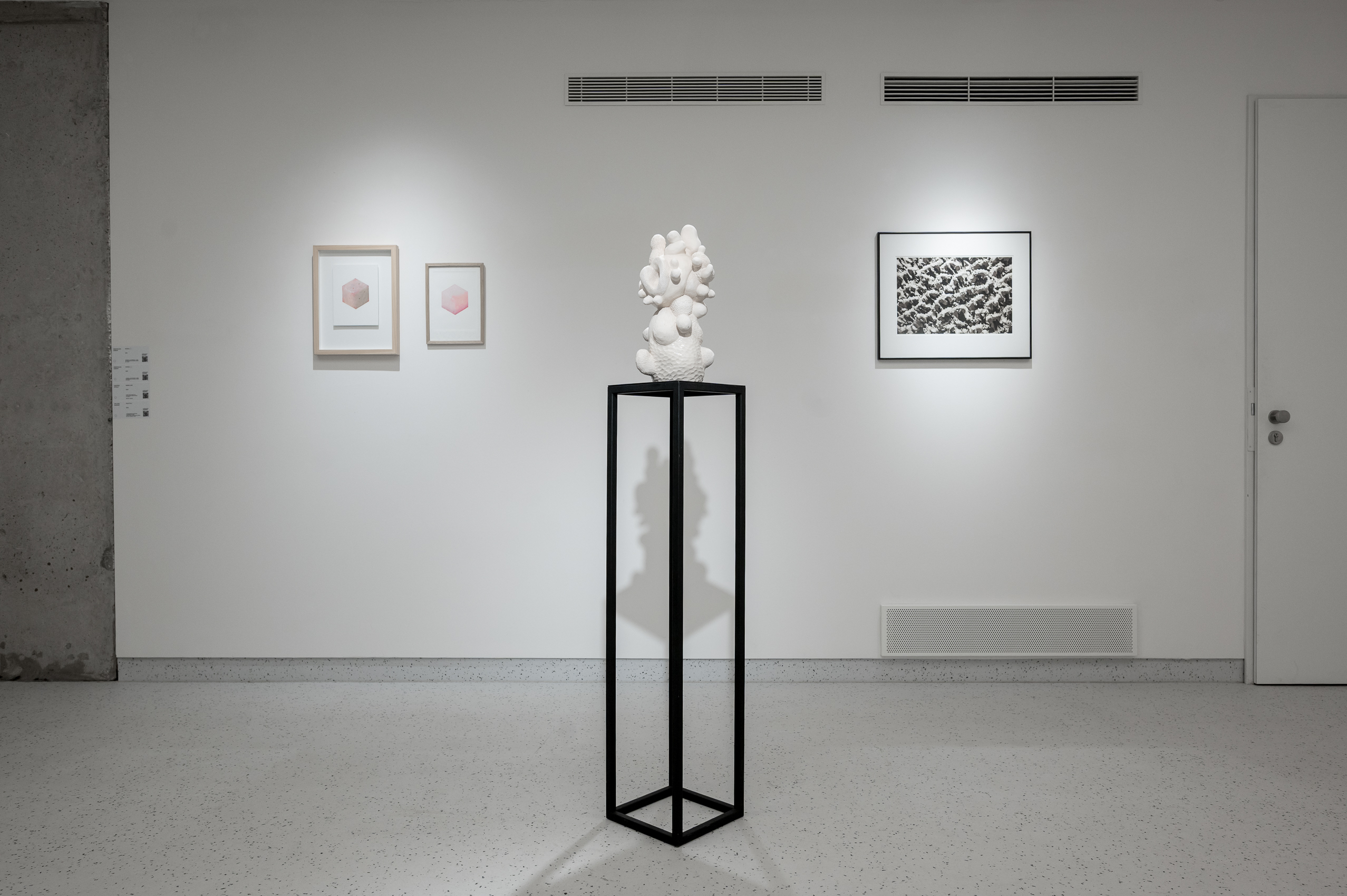
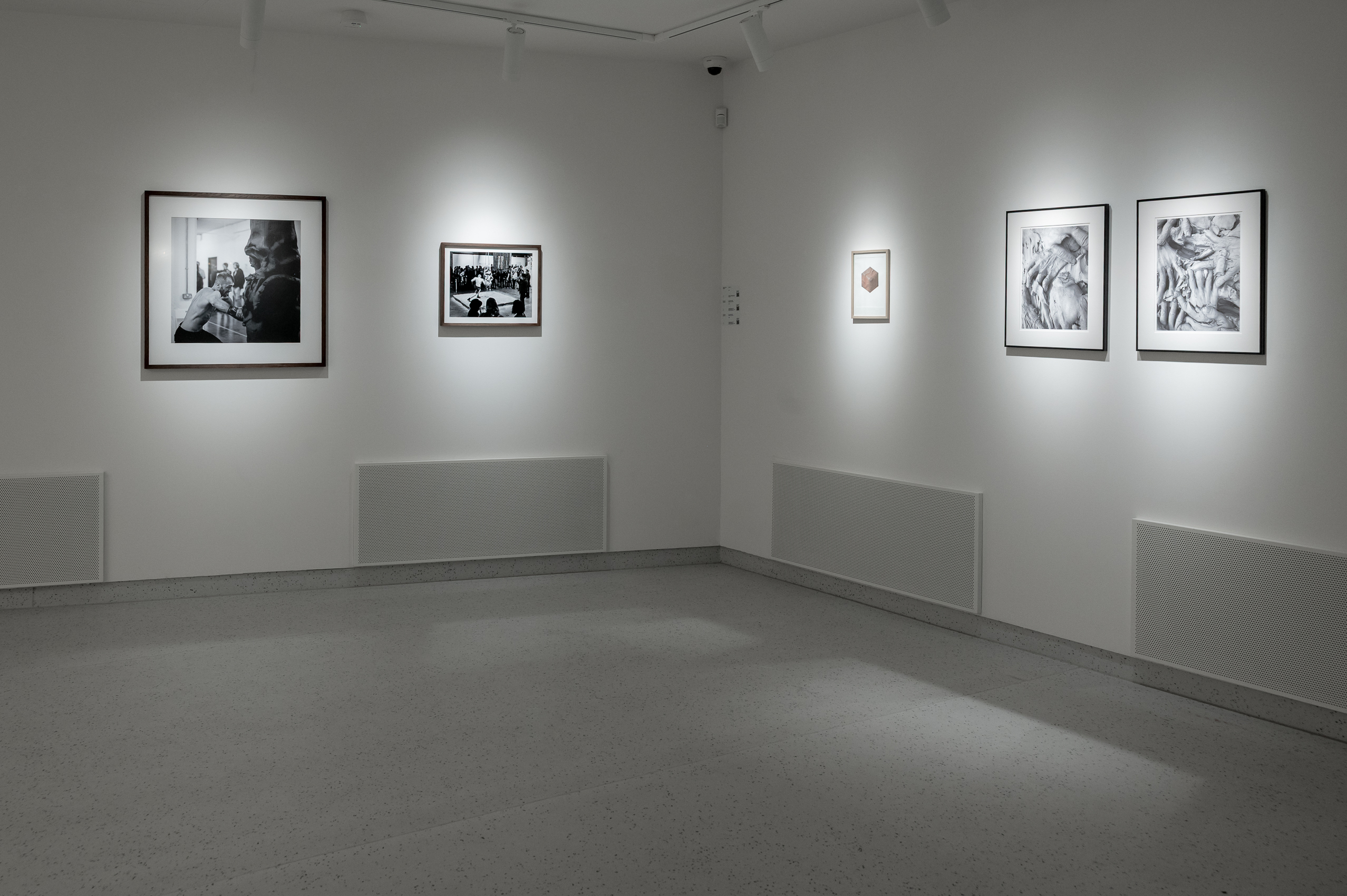
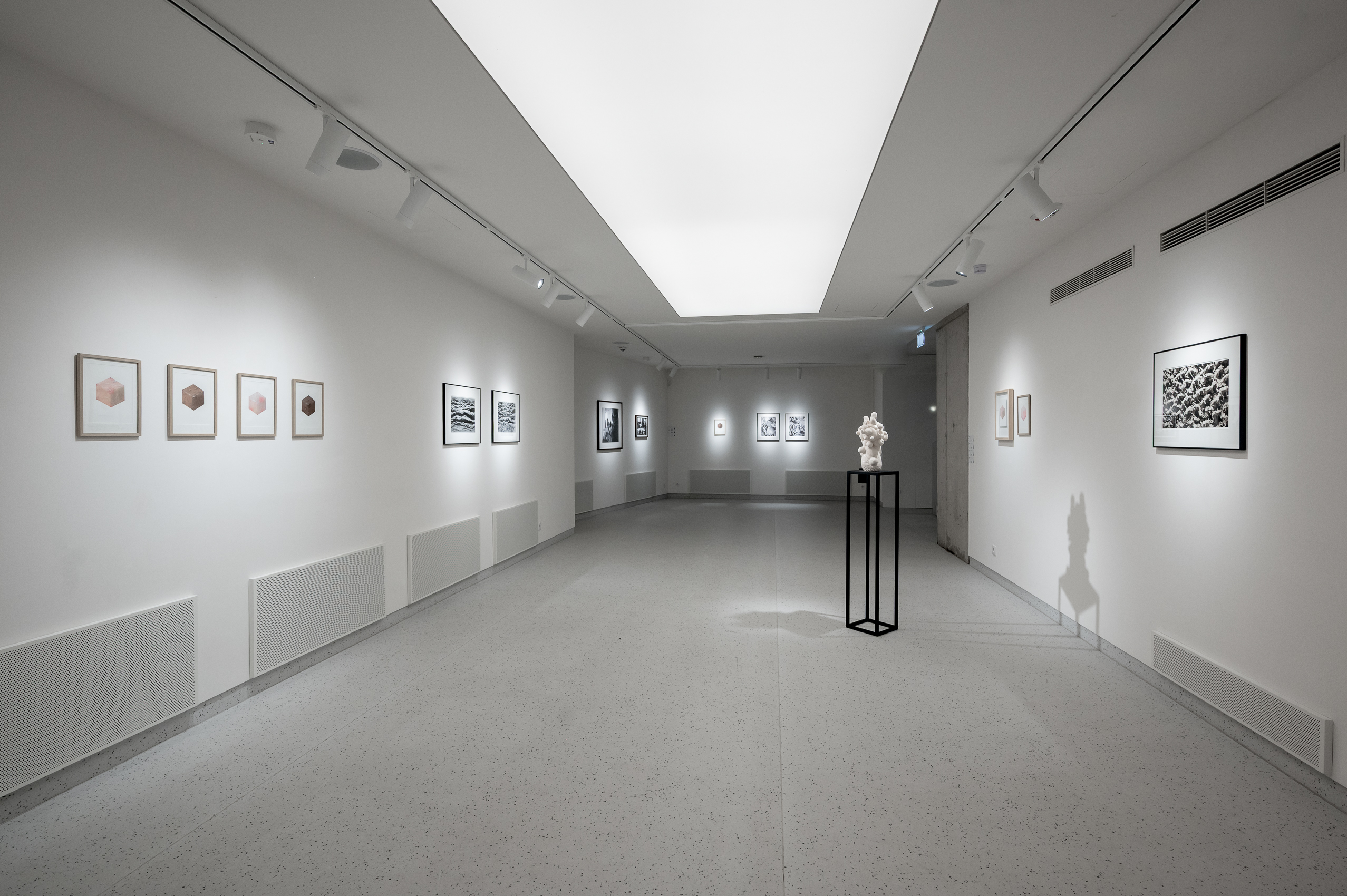
Lust for Life unfolds from this transitional state. It speaks of the body as a temporal experience: of how form emerges and dissolves at the threshold of modesty, exposure and force. The works of Attila Kertész, Gábor Szenteleki and Szilard Gaspar approach this instability from three distinct directions.
Exhibiting artists: Attila Kertész, Szilard Gaspar, Gábor Szenteleki
Curators: Csenge Czeizer and Nikolett Colette Nagy